
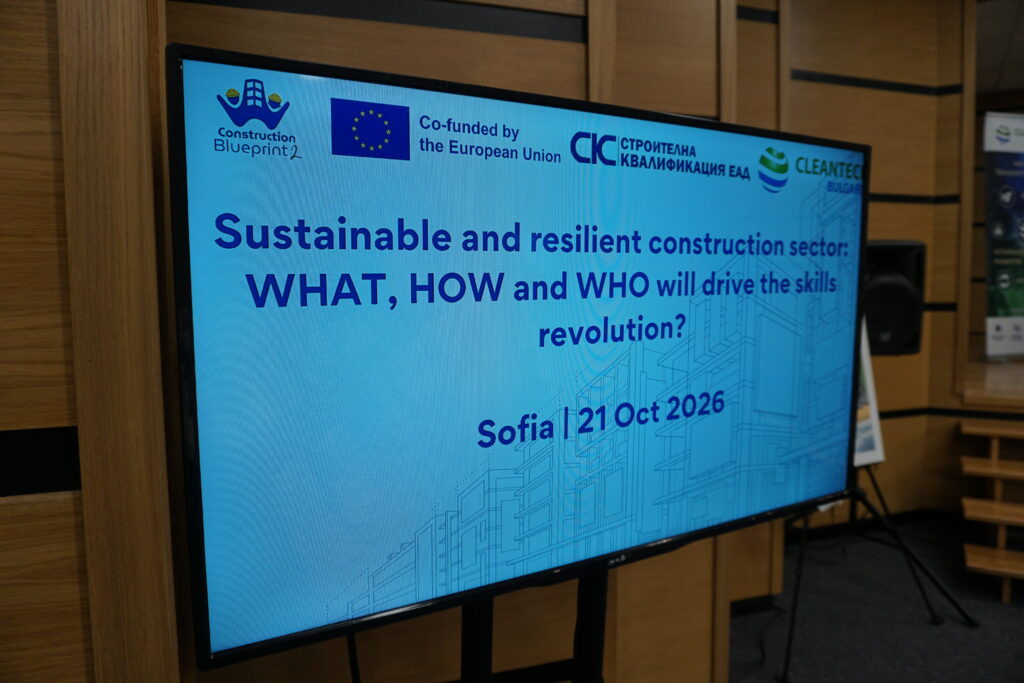
The future of Europe’s construction sector depends not only on new technologies and sustainable solutions, but above all on the people equipped to put them into practice. This was the central message of the international conference “Sustainable and Resilient Construction Sector: WHAT, HOW and WHO Will Drive the Skills Revolution?”, held in Sofia on 21 October 2026.
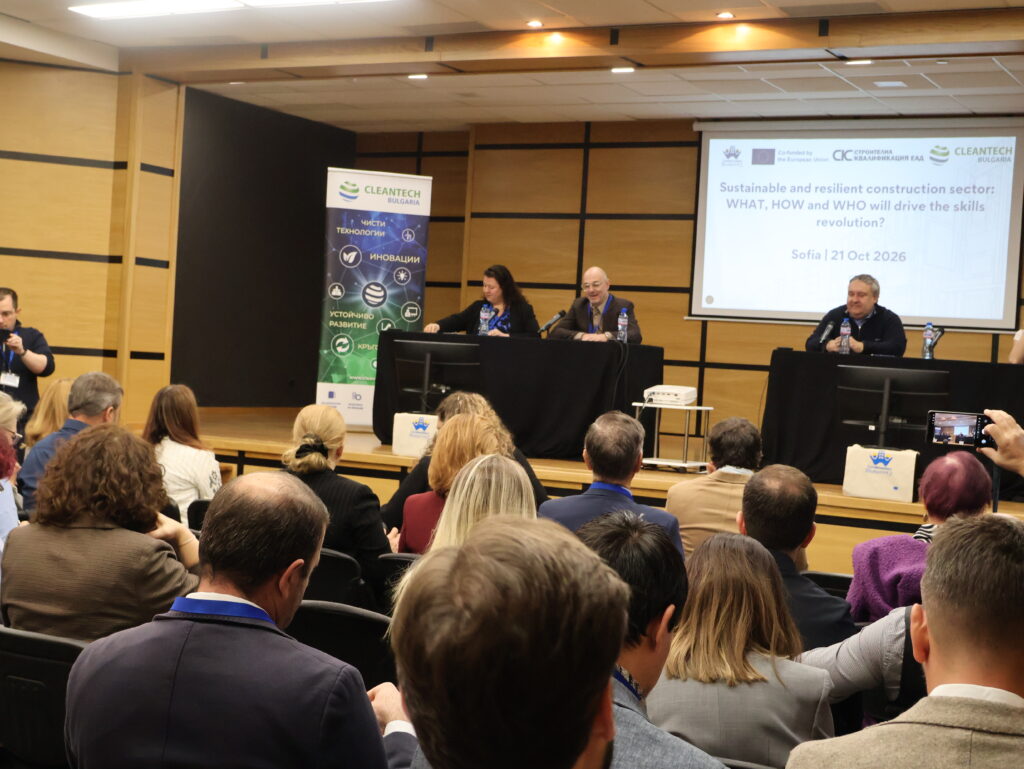
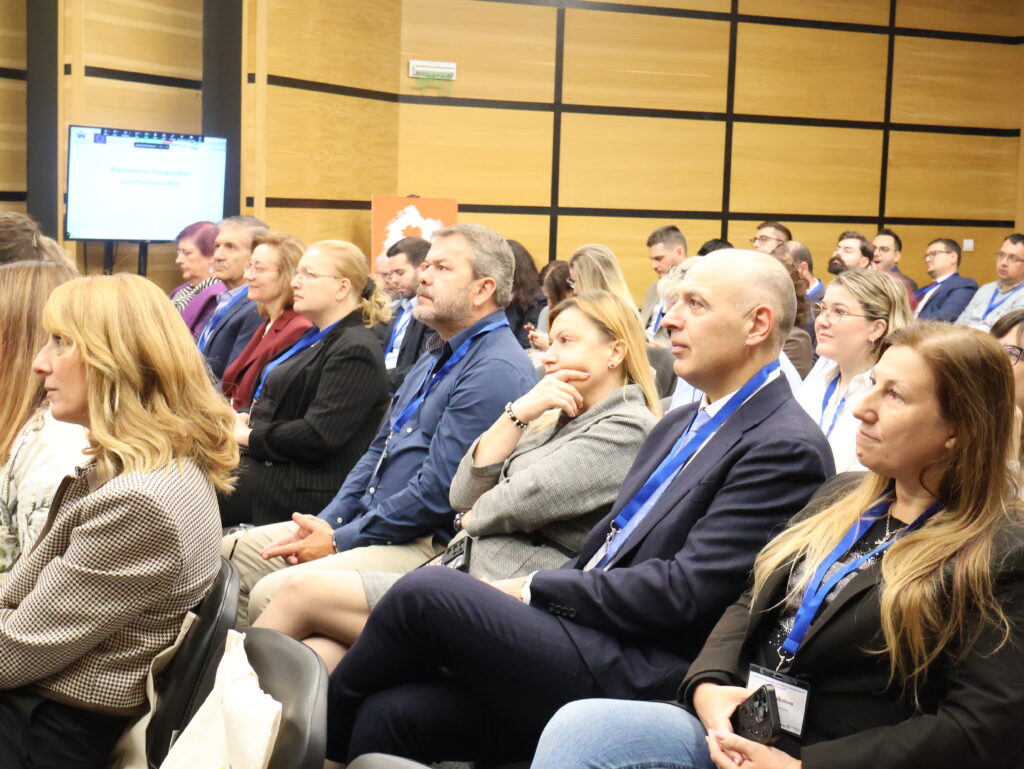
Organized by Cleantech Bulgaria in partnership with the Bulgarian Construction Chamber and Construction Qualification, the event brought together more than 100 representatives of European institutions, industry organisations, vocational education and training networks, and innovation initiatives from more than 15 countries, and provided a platform for strategic dialogue on one of Europe’s most pressing challenges: developing the workforce needed to deliver a greener, more digital, competitive and resilient built environment.
Skills at the Heart of Europe’s Construction Transformation
As Europe accelerates its green and digital transitions, the construction industry faces a fundamental transformation. Workforce shortages, an ageing labour force, rapidly evolving technologies and ambitious sustainability targets are creating an urgent need to rethink how construction professionals are trained, qualified and supported throughout their careers.
The conference addressed these challenges through three interconnected questions: WHAT skills will be needed, HOW they can be developed, and WHO must take responsibility for driving change.
The discussions brought together expertise from the European Commission, the European Centre for the Development of Vocational Training (CEDEFOP), the European Training Foundation (ETF), the European Construction Technology Platform (ECTP), the European Association of Institutes for Vocational Training (EVBB), and key European construction industry organisations.
Roman Horváth from the European Commission and Dr Anastasiya Yurchyshyna from ECTP highlighted the urgent need for new skills and the vision for a sustainable, resilient and people-centered built environment. Anastasia Pouliou from CEDEFOP and Theodor Grassos from EVBB explored the role of microcredentials and vocational training in strengthening Europe’s workforce and competitiveness, while Susanne M. Nielsen from ETF emphasised women’s participation and leadership in construction. Beatriz Oliete from FLC and Gloria Callinan from TUS presented the synergies between Construction Blueprint II and BUS United in advancing a coordinated European skills strategy for the sector.
Together, these perspectives underlined a shared vision: Europe cannot achieve its sustainability and competitiveness ambitions without investing in the skills, talent and partnerships that make transformation possible.
From European Strategies to Practical Solutions
Beyond identifying challenges, the conference focused on how innovation and collaboration can translate ambitions into measurable progress.
Discussions highlighted the role of AI, digital innovation and cross-sectoral cooperation in transforming construction. Alvaro Hernando from the European Commission presented opportunities through the European Digital Innovation Hubs network, while Maria Nakova from Cleantech Bulgaria showcased BuildSkills Academy and its contribution to developing green and digital skills. Lou Mariel Colosimo from EBC and Raphaële Coulon from FIEC emphasised the importance of industry collaboration through the European Pact for Skills in Construction.
The message emerging from Sofia was clear: the construction sector’s green and digital transition will be built by people – and developing their skills must become a shared European priority.
Cleantech Bulgaria: Connecting European Ambition with Local Impact
For Cleantech Bulgaria, the conference represents another important contribution to advancing this agenda, strengthening European partnerships and supporting an innovative, competitive and sustainable construction sector. The event highlighted Cleantech Bulgaria’s growing contribution to the European green and digital transition, particularly through its work at the intersection of innovation, sustainability, education and skills development.
Explore the Conference Presentations
To extend the impact of the discussions and make the knowledge shared during the event accessible to a wider audience, Cleantech Bulgaria is making the conference presentations available for individual download.
Readers can explore the perspectives of European institutions, industry representatives and project experts on construction skills, digitalisation, microcredentials, vocational excellence and sectoral cooperation.
Browse and download the presentations below, organised by speaker, to discover the insights, initiatives and practical approaches shaping the future of Europe’s construction workforce.